
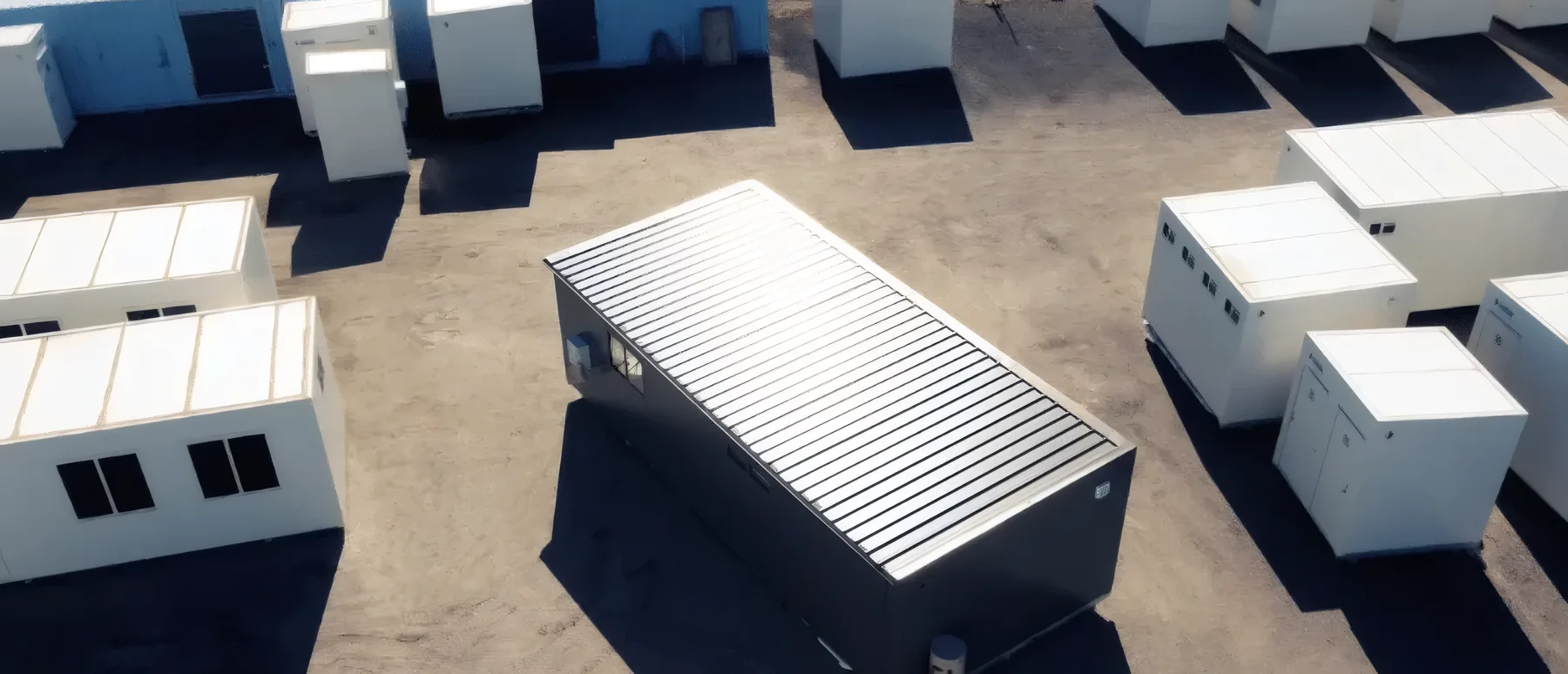
It depends on what it is for, and where it goes
A portable building can solve a space problem quickly, but it is still a building. A small shed or a storage unit may need no paperwork at all. Anything somebody will live or work in, anything staying for more than a few weeks, and anything on land with a planning overlay will usually need a building permit, a planning permit or both.
We cannot obtain the permit for you, but we can arrange the documents most applications ask for: the structural engineering report and the Section J energy efficiency report. Electrical and plumbing certificates come with every building, and glazing, waterproofing and air conditioning certificates are available on request.
Your local council is the place to start. Once they have told you what applies, we build to it.
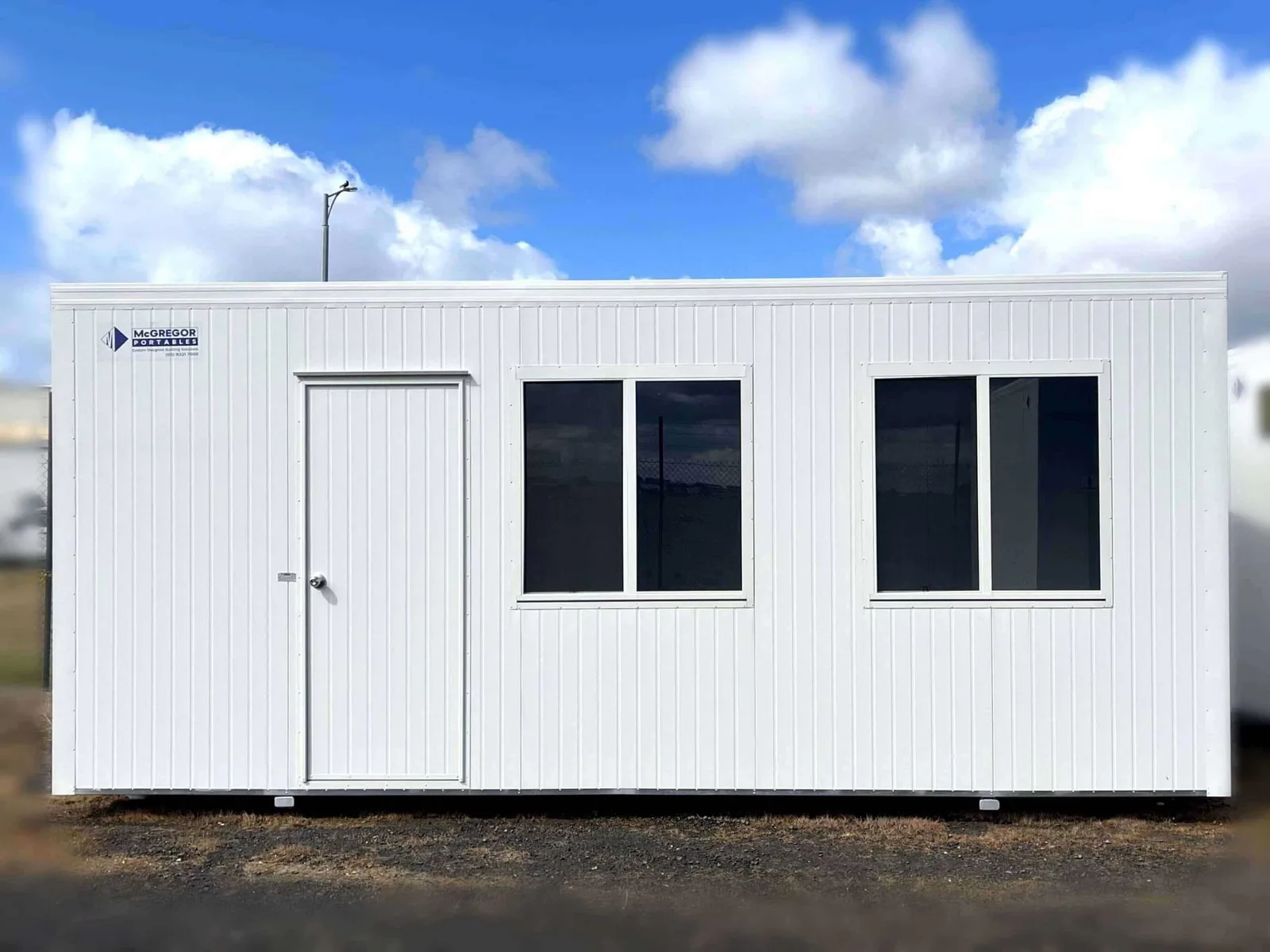
Why a portable building in the first place
Running out of room but not ready to commit to a permanent structure? A portable building gives you extra office space, temporary accommodation or a worksite in a remote location, with the layout and finish adjusted to suit. Three things make them the practical choice:
- Flexibility. Size, layout, finishes and features can all be adjusted, from a compact site office to a two- or three-bedroom accommodation unit.
- Cost. Against a permanent build, a portable building delivers the same function for a fraction of the outlay.
- Speed. Most units are built, delivered and levelled in a fraction of the time a traditional building takes to plan and construct.
When a permit is necessary
It is easy to assume a portable building can be dropped in and put to use. Whether it needs council approval depends on a few things.
Size and structure. Small sheds and storage units may need no paperwork. Anything larger, especially if it is used for living, working or anything long term, usually requires approval.
How it is used. Accommodation and commercial use have to meet specific building standards, and job sites and remote areas add safety requirements of their own. A temporary unit such as an on-site toilet block may get a pass, but once it stays for more than a few weeks it is likely to be treated as a permanent structure.
Zoning. Your land’s zoning can restrict what is allowed, and overlays such as heritage or environmental protection add steps. An office or a residential building will almost always need council approval.
Building codes. Wherever it goes and whatever it is for, the building still has to meet the National Construction Code and the relevant Australian Standards: structural safety, fire compliance, accessibility and energy efficiency.
Local council rules. Requirements differ from one council to the next. Check with your local authority before committing; they will tell you what applies to your project and save you a fine or a teardown later.
Permit requirements by state
- Victoria. Portable buildings are covered by the Building Act 1993 and the Building Regulations 2018. If the building is for living, working or anything beyond simple storage, a permit is usually required. The Victorian Building Authority is the source for guidance.
- New South Wales. Requirements depend on the building’s purpose and where it is placed. The NSW Planning Portal sets out complying development and what needs council approval.
- Queensland. The Queensland Building and Construction Commission oversees building regulation. Most portable buildings used for accommodation or business will need approval.
- Western Australia. Building approvals are managed by the Department of Mines, Industry Regulation and Safety. Temporary or permanent, check what applies.
- South Australia. PlanSA provides guidance on planning and building approvals. Permits may be needed depending on the building and its use, particularly for habitation or commercial activity.
- Tasmania. Consumer, Building and Occupational Services (CBOS) sets out the building rules. If the building will be occupied or used for business, check their guidance on permits.
- Northern Territory. The Department of Infrastructure, Planning and Logistics handles approvals. Portable buildings often have to meet the same codes as permanent ones.
- Australian Capital Territory. Access Canberra covers development and building, and can tell you whether your portable building needs approval and what the steps are.
What we build to, and what we can arrange
Every McGregor building is built to the National Construction Code from Bondor EPS-FR panel, which carries a BAL-40 rating, or from Bondor Metecno PIR panel where a BAL-FZ rating is needed. Where a client tells us a Section J report is part of their permit process, we upgrade the materials to comply: thicker wall and roof panels, R-Flor subflooring, low-E glass, door closers, emergency and energy-saving electricals. Once the report is in, we take out whatever it shows was not needed.
We cannot lodge the permit for you. We can arrange the structural engineering report and the Section J report through our preferred suppliers, and every building ships with its electrical and plumbing certificates. Ask a sales consultant which reports your council has asked for and we will get them moving alongside the build.
Tell us what you need
Send through what the job needs and we will come back with options and a price. If you are not sure whether to buy or hire, say so, that is a normal question and we will tell you which way suits.
- A real person reads this, usually the same day
- Buy or hire, priced side by side if you want both
- Delivery, install and pickup quoted with the building
Thanks, that is with us
We have your details and will be in touch shortly. If it is urgent, call (03) 9331 7000 and ask for the sales team.
We use these details to answer your enquiry and nothing else.